

Feed Your Mind: Simple Diet Tips to Support Mental Health
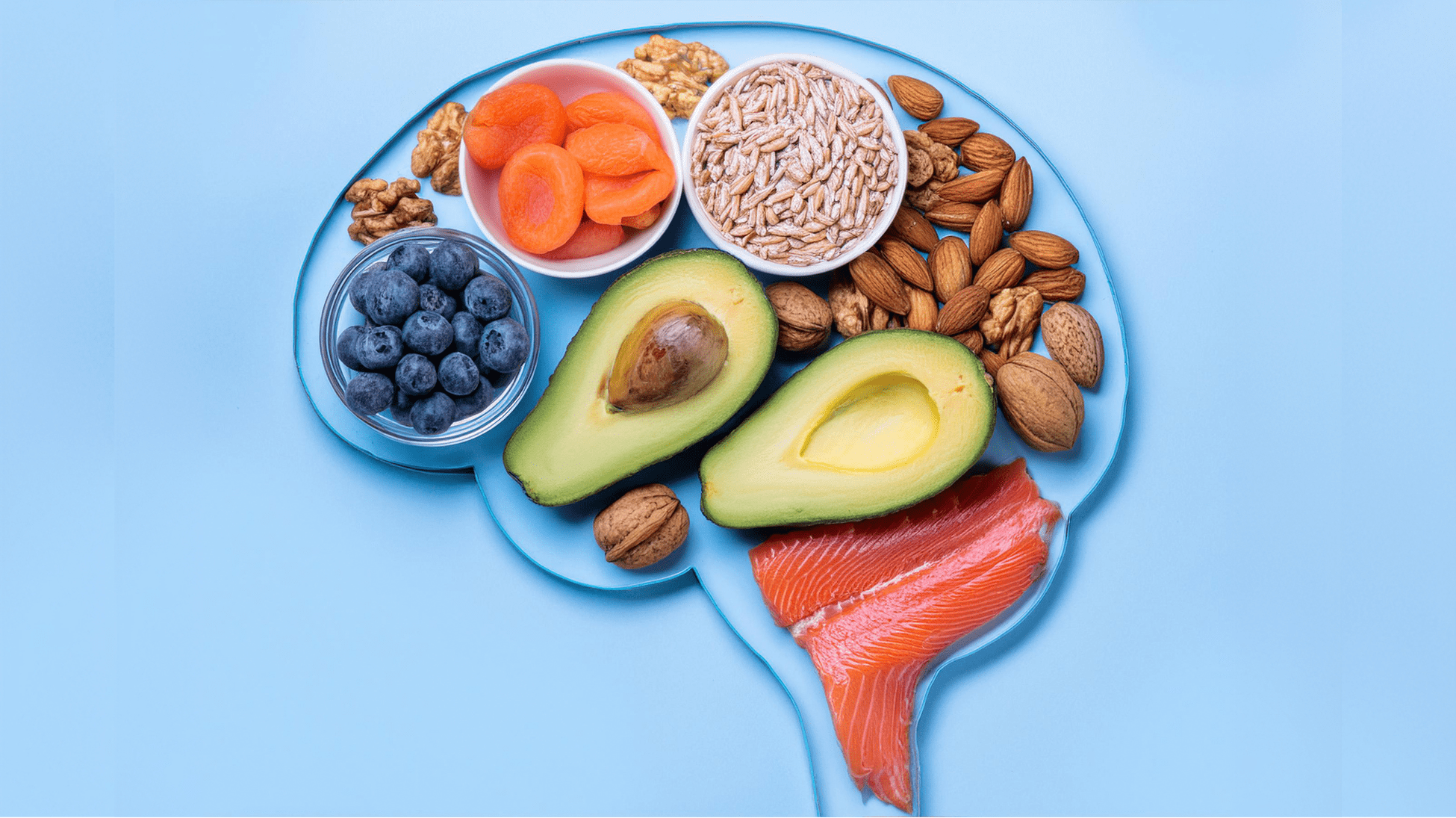
Just as a well-tended garden flourishes with the right nourishment, the human mind thrives when supported by a balanced and wholesome diet. Emerging research continues to reveal the profound link between the gut and the brain — often referred to as the gut–brain axis. This two-way communication network connects the digestive system with the central nervous system, influencing emotions, cognition, and behavior.
What we eat shapes the gut microbiome — the community of microorganisms living in our intestines — which in turn affects neurotransmitter production, inflammation levels, and stress responses. In short, the state of our gut can directly influence how we think and feel. A nourishing diet, therefore, does more than sustain the body; it also supports mental clarity, mood stability, and emotional well-being.
This article explores practical, evidence-based dietary strategies to promote mental health — simple, sustainable changes that can help you nurture both your body and mind.
1. Prioritize Whole Foods
A diet abundant in fruits, vegetables, whole grains, legumes, nuts, and lean proteins is consistently linked with improved mental health outcomes. Whole foods provide essential vitamins, minerals, and antioxidants that protect brain cells from oxidative stress. A meta-analysis published in Nutrients found that individuals adhering to whole-food diets experienced significantly lower rates of depression and anxiety than those consuming higher amounts of processed foods (Firth et al., 2019).
Practical Tip: Replace one processed snack daily with a serving of fresh fruit, nuts, or vegetables to gradually enhance nutrient intake.
2. Limit Refined Sugar and Ultra-Processed Foods
Excessive intake of refined sugars and processed foods can disrupt blood sugar regulation and increase inflammation — both of which are linked to mood instability. According to Harvard Health Publishing (2019), diets high in refined carbohydrates can worsen symptoms of depression and anxiety. Similarly, the Centers for Disease Control and Prevention (CDC) (2024) observed that individuals with frequent consumption of sugar-sweetened beverages were more likely to report depressive symptoms.
Practical Tip: Substitute sugary snacks and drinks with naturally sweet options such as berries, citrus fruits, or dark chocolate containing at least 70% cocoa.
3. Incorporate Brain-Boosting Nutrients
Certain nutrients play a vital role in supporting emotional and cognitive health. Omega-3 fatty acids — found in salmon, flaxseeds, and walnuts — enhance neural communication and reduce inflammation. Leafy greens and berries provide antioxidants that protect brain tissue, while probiotic foods such as yogurt, kefir, and kimchi promote a healthy gut microbiome. The National Institutes of Health (2022) notes that maintaining gut health can positively influence mood and stress resilience through the gut–brain axis.
Practical Tip: Include at least one fatty-fish meal per week, two servings of leafy greens daily, and a fermented food several times per week.
4. Maintain Consistent Eating Patterns
The timing and consistency of meals can influence both mood and energy levels. Irregular eating patterns or skipping meals may cause fluctuations in blood glucose, leading to fatigue, irritability, and difficulty concentrating. Sutter Health (2024) emphasizes that balanced meals containing protein, complex carbohydrates, and healthy fats can stabilize energy and support mental focus.
Practical Tip: Aim for balanced meals every three to four hours to maintain steady energy and emotional balance.
5. Stay Hydrated for Cognitive Clarity
Proper hydration is essential for optimal brain function. Even mild dehydration can impair memory, concentration, and mood regulation. A 2020 study in Nutrients found that lower fluid intake was associated with poorer cognitive performance and increased tension. Replacing sugary drinks with water, herbal teas, or sparkling water supports both mental and physical well-being.
Practical Tip: Keep a refillable water bottle at your desk or workspace as a visual reminder to stay hydrated throughout the day.
6. Diversify Your Diet
Nutritional variety ensures the intake of a broad spectrum of essential nutrients. A study published in the British Journal of Nutrition (2021) revealed that dietary diversity correlates positively with psychological well-being and resilience. Including a range of plant-based foods, herbs, and spices also helps nourish the gut microbiome — further strengthening the gut–brain connection.
Practical Tip: Each week, introduce one new grain, vegetable, or legume to diversify your nutrient profile and promote a healthy microbiome.
7. Practice Mindful Eating
Mindful eating cultivates awareness of hunger and satiety cues while fostering a more balanced relationship with food. According to Frontiers in Psychology (2022), mindfulness-based eating interventions have been shown to reduce symptoms of stress and depression. Slowing down during meals can also improve digestion and enhance the gut–brain communication pathway.
Practical Tip: Before eating, take a brief pause to breathe deeply and focus on the sensory aspects of your meal — its aroma, texture, and taste.
The Connection Between Diet and Mental Health
Nutritional psychiatry has established that dietary quality plays a critical role in emotional well-being. Diets emphasizing whole foods, plant-based fats, and dietary fiber — such as the Mediterranean and MIND diets — are associated with a lower risk of depression and cognitive decline (Jacka et al., 2017). While diet alone cannot replace clinical care, it serves as a fundamental component in maintaining mental health and resilience.
A diet that nurtures the mind does not require perfection but rather consistent, intentional choices. Prioritizing whole foods, reducing refined sugar, maintaining hydration, and supporting gut health can contribute meaningfully to mental and emotional stability.

For individuals seeking professional guidance in developing sustainable nutrition habits, Halcyon Nutrition offers personalized dietary plans designed to align physical nourishment with mental well-being. Our team of qualified nutritionists integrates scientific evidence with individualized care to help clients achieve lasting balance and vitality.
Visit Halcyon Nutrition to learn how a tailored approach to diet can enhance both mental and physical health.
Sharing is caring!
